
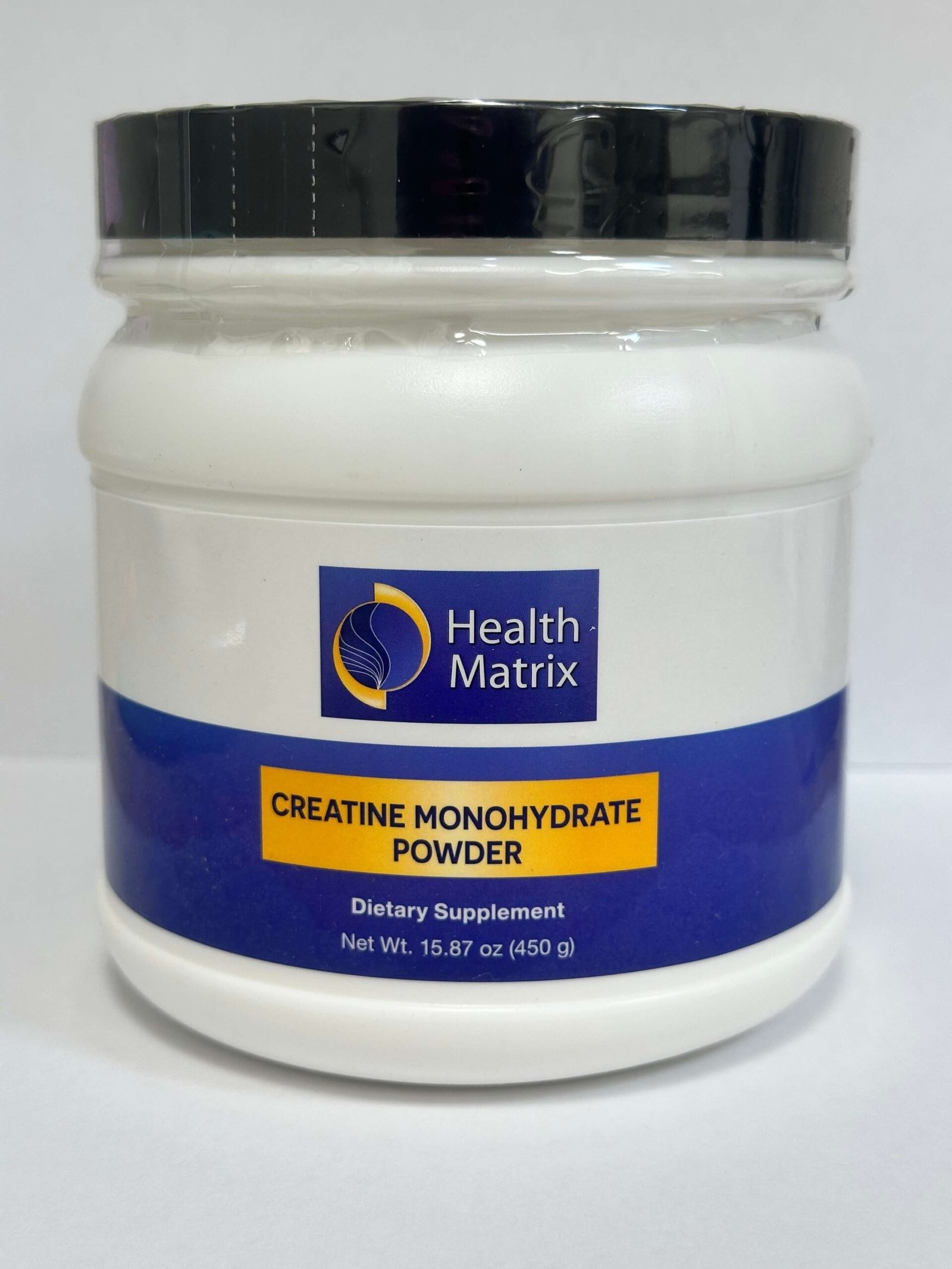
Creatine Monohydrate Powder
$40.55
CLINICAL APPLICATIONS
- Enhances Muscular Performance, Endurance, and Recovery
- Boosts Muscle Protein Synthesis and Lean Body Mass
- Promotes Longevity and Healthy Aging
- Supports Optimal Cognitive Function
Creatine is one of the most extensively researched nutrients in sports and clinical nutrition, recognized for its broad benefits beyond athletic performance. As a naturally occurring compound critical for rapid energy production, creatine supplementation has been shown to enhance strength and endurance, accelerate recovery, support cognitive performance, and promote healthy aging.
Overview
Derived from amino acids, creatine is a naturally occuring compound that plays a key role in the body’s ability to produce energy. Roughly 95% of the body’s creatine is stored in skeletal muscle tissue, with a higher concentration in fast-twitch, type II muscle fibers.1 Within the muscles, creatine exists in two main forms—approximately two-thirds are stored as phosphocreatine (PCr), while the remaining one-third remains as free creatine.2 PCr serves as a rapid energy reserve, helping regenerate adenosine triphosphate (ATP) especially during bursts of physical activity.3 Creatine is produced endogenously at an amount of about 1 g per day. Synthesis predominately occurs in the liver, kidneys, and to a lesser extent, the pancreas. The remainder of the creatine available to the body is obtained through the diet at about 1 g per day in an omnivore diet.4 Dietary sources of creatine include animal-based proteins, notably red meat and fish. Approximately 1–2% of intramuscular creatine is broken down and excreted through the urine each day.1 Supplemental creatine has been shown to enhance athletic performance and recovery, promote longevity and healthy aging, and support optimal cognitive function.
Athletic Performance and Recovery
Creatine monohydrate is one of the most extensively studied ergogenic aids in sports nutrition. Mechanistically, supplemental creatine increases intramuscular PCr stores, enhancing the cellular capacity to rapidly regenerate ATP during physical exertion.5 It may also exert osmotic effects that promote cell hydration and signaling, and it enables greater training volume and intensity which in turn stimulates muscle protein synthesis and hypertrophy.6 The net result is a well-documented improvement in anaerobic performance parameters—creatine consistently increases maximal strength and power output, muscular work capacity, and lean body mass gains during resistance training.6 Creatine supplementation combined with resistance training has been shown to increase lean body mass in adults of any age.7 In addition to its benefits with muscle performance, there is evidence that creatine supplementation enhances exercise recovery and reduces muscle lysis secondary to exercise.7,9 Studies report that creatine users experience less muscle enzyme release and soreness after intense exercise, indicating reduced muscle fiber lysis.
Cognitive Function
Creatine has also been studied for its neuroprotective and nootropic potential. Neurons and glial cells use PCr to maintain energy homeostasis, especially during cognitively demanding situations or metabolic stress. Research shows creatine can stabilize mitochondrial function, reduce reactive oxygen species, and prevent ATP depletion.10,11 A systematic review of randomized trials concluded that oral creatine supplementation can improve working memory (short-term †These statements have not been evaluated by the Food and Drug Administration. This product is not intended to diagnose, treat, cure, or prevent any disease. memory) and reasoning tasks.12 These cognitive benefits are attributed to creatine’s capacity to bolster ATP availability in the brain, essentially “fueling” the neural circuits during demanding tasks. Recent research demonstrated that a bolus dose of creatine (0.3–0.4 g/kg) given to sleep-deprived volunteers was able to improve their cognitive performance and mood relative to placebo. In a landmark 2024 study, creatine acutely elevated brain PCr levels, resulting in better performance on tests of reaction time and working memory despite the lack of sleep. These results challenged the previous understanding that creatine only enhanced cognitive performance after long- term intake.
Healthy Aging
A decline in cognitive and physical health is considered a normal evolution of aging. The progressive loss of muscle mass, strength, and function is a major geriatric concern due to the consequential increase in falls and injuries that accompany muscle loss.6 Resistance exercise is the cornerstone intervention for muscle loss, and creatine supplementation has emerged as a valuable adjunct for older adults. Creatine supplementation combined with resistance training promotes greater muscle volume development than resistance training alone in older populations.14 For example, one meta-analysis in adults over 50 found creatine users averaged 3 lb more lean mass gain and notable strength increases over 12–24 week training periods versus those that do not supplement with creatine.15 Additionally, emerging evidence suggests supplemental creatine combined with exercise may aid bone maintenance. In older men, 10–12 weeks of creatine plus whole-body resistance training increased upper-limb bone mineral content and reduced markers of bone resorption compared to placebo.16 Furthermore, a 12-month randomized control trial in postmenopausal women found that adding creatine during a resistance training program preserves femoral neck bone mineral density and increases femoral shaft subperiosteal width, a predictor of bone bending strength.
Safety and Tolerability
Multiple comprehensive reviews and clinical studies have affirmed that creatine monohydrate has an excellent safety profile in healthy adults. The International Society of Sports Nutrition concluded that long-term, high-dose creatine regimens are safe and well-tolerated in healthy individuals.11 The effect of creatine on kidney function is a common concern due to the normal elevation of creatinine (the metabolic breakdown product of creatine) that occurs with creatine supplementation; however, extensive data shows creatine does not impair renal function with either bolus doses or long- term use. After reviewing more than two decades of research, Avgerinos et al conclude there is “no compelling evidence that creatine supplementation negatively affects renal function in healthy or clinical populations.
Directions
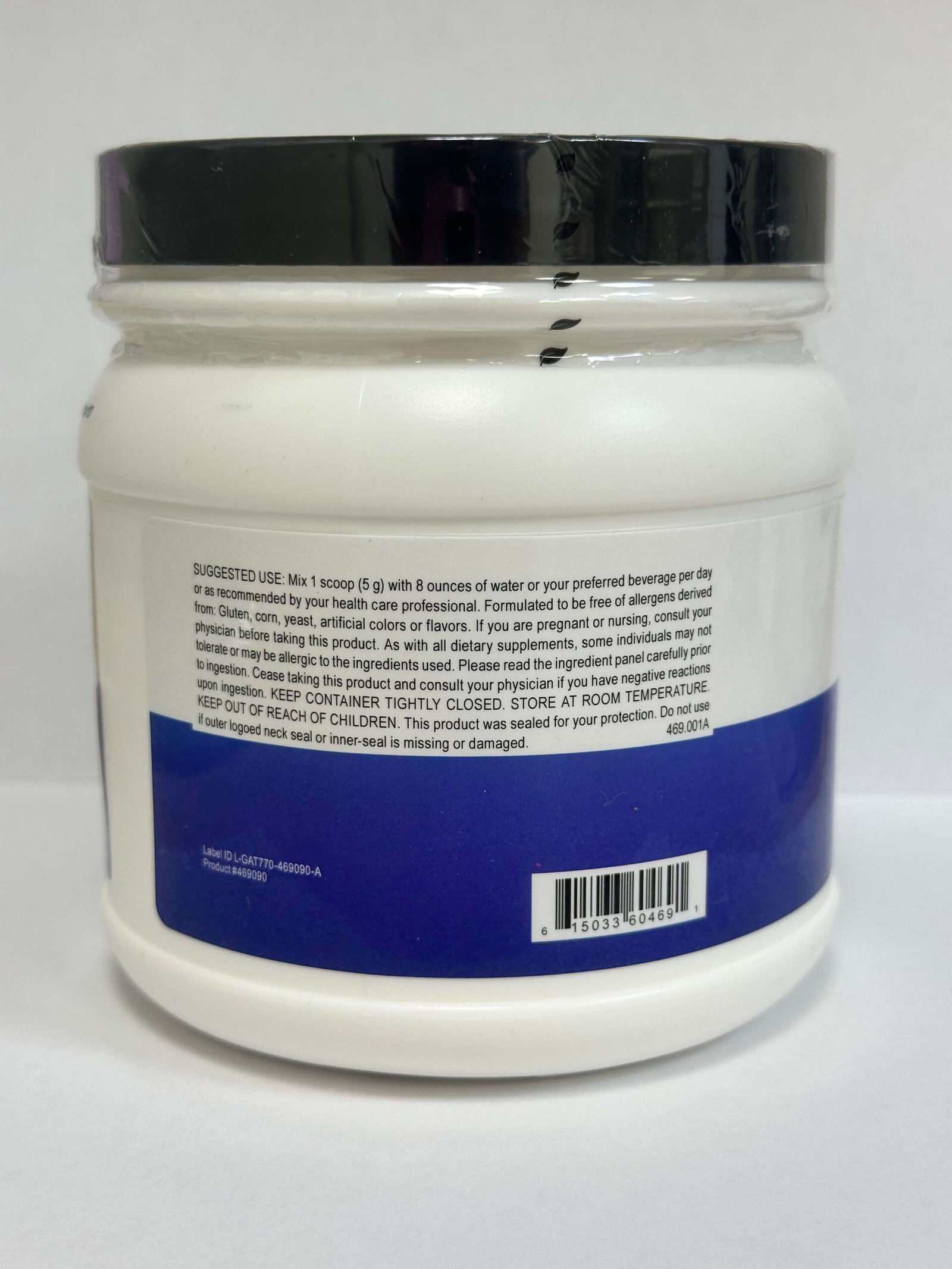
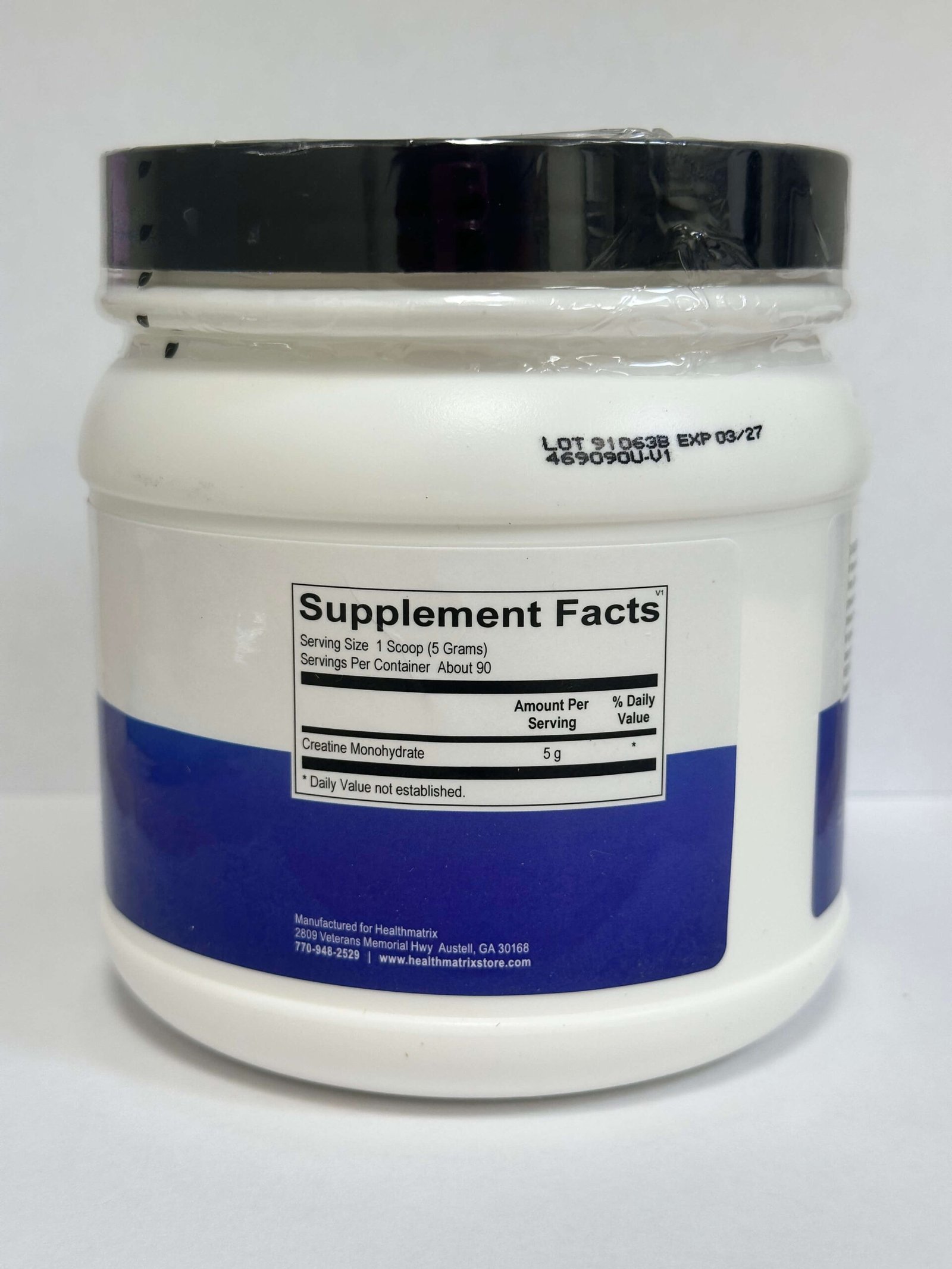
Mix 1 scoop (5 g) with 8 ounces of water or your preferred beverage per day or as recommended by your health care professional.
Does Not Contain
Gluten, corn, yeast, artificial colors or flavors.
Cautions
If you are pregnant or nursing, consult your physician before taking this product. As with all dietary supplements, some individuals may not tolerate or may be allergic to the ingredients used. Please read the ingredient panel carefully prior to ingestion. Cease taking this product and consult your physician if you have negative reactions upon ingestion.
References
- Kreider RB, Stout JR. Creatine in Health and Disease. Nutrients 2021;13(2):447.
- Paddon-Jones D, Børsheim E, Wolfe RR. Potential Ergogenic Effects of Arginine and Creatine Supplementation. J Nutr 2004;134(10):2888S-2894S.
- Guimarães-Ferreira L. Role of the phosphocreatine system on energetic homeostasis in skeletal and cardiac muscles. Einstein (São Paulo) 2014;12(1):126-131.
- Cooper R, Naclerio F, Allgrove J, Jimenez A. Creatine sup-plementation with specific view to exercise/sports perfor-mance: an update. J Int Sports Nutr 2012;9(1):33.
- Wax B, Kerksick CM, Jagim AR, Mayo JJ, Lyons BC, Kreider RB. Creatine for Exercise and Sports Performance, with Recovery Considerations for Healthy Populations. Nutrients 2021;13(6):1915
- Antonio J, Candow DG, Forbes SC, et al. Common questions and misconceptions about creatine supplementation: what does the scientific evidence really show? J Int Sports Nutr 2021;18(1):13.
- Delpino FM, Figueiredo LM, Forbes SC, Candow DG, Santos HO. Influence of age, sex, and type of exercise on the efficacy of creatine supplementation on lean body mass: A systematic review and meta-analysis of randomized clinical trials. Nutrition 2022;103-104:111791.
- Santos RV, Bassit RA, Caperuto EC, Costa Rosa LF. The effect of creatine supplementation upon inflammatory and muscle soreness markers after a 30km race. Life Sci 2004;75(16):1917-1924.
- Greenwood M, Kreider RB, Melton C, et al. Creatine supplementation during college football training does not increase the incidence of cramping or injury. Mol Cell Biochem 2003;244(1-2):83-88.
- Genius J, Geiger J, Bender A, Möller HJ, Klopstock T, Rujescu D. Creatine Protects against Excitotoxicity in an In Vitro Model of Neurodegeneration. PLoS One 2012;7(2):e30554.
- Kreider RB, Kalman DS, Antonio J, et al. International Society of Sports Nutrition position stand: safety and efficacy of creatine supplementation in exercise, sport, and medicine. J Int Sports Nutr 2017;14:18.
- Avgerinos KI, Spyrou N, Bougioukas KI, Kapogiannis D. Effects of creatine supplementation on cognitive function of healthy individuals: A systematic review of randomized controlled trials. Exp Gerontol 2018;108:166-173.
- Gordji-Nejad A, Matusch A, Kleedörfer S, et al. Single dose creatine improves cognitive performance and induces changes in cerebral high energy phosphates during sleep deprivation. Sci Rep 2024;14:4937.
- Chilibeck PD, Kaviani M, Candow DG, Zello GA. Effect of creatine supplementation during resistance training on lean tissue mass and muscular strength in older adults: a meta-analysis. Open Access J Sports Med 2017;8:213-226.
- Devries MC, Phillips SM. Creatine Supplementation during Resistance Training in Older Adults—A meta-analysis. Med Sci Sports Exerc 2014;46(6):1194-1203.
- Chilibeck PD, Chrusch MJ, Chad KE, Shawn Davison K, Burke DG. Creatine monohydrate and resistance training increase bone mineral content and density in older men. J Nutr Health Aging 2005;9(5):352-353.
- Chilibeck PD, Candow DG, Landeryou T, Kaviani M, Paus-Jenssen L. Effects of Creatine and Resistance Training on Bone Health in Postmenopausal Women. Med Sci Sports Exerc 2015;47(8):1587-1595.
Reviews & Ratings

Certified for Purity & Potency
Every HealthMatrix product is independently tested to ensure the highest standards of purity, safety, and effectiveness you can trust.

60-Day Money-Back Guarantee
We stand by our products with a 60-day, no-hassle money-back guarantee—because your satisfaction always comes first.

Free Shipping on Orders $49+
Enjoy free, fast, and reliable shipping on all orders over $49—making your wellness journey easier and more affordable.
Reviews